After 13 years, major organisations and stakeholders are positioning to participate in the 2026 new gtld program. For brands it represents an opportunity to own their own domain name space and confer greater brand visibility and defensive online presence. However, it also represents and expansion of the domain name eco-system and such will increase the surface area for attacks. This blog provides an overview of the new gtld program, key dates, considerations and costs.
1. Program Overview
What is the New gTLD Program?
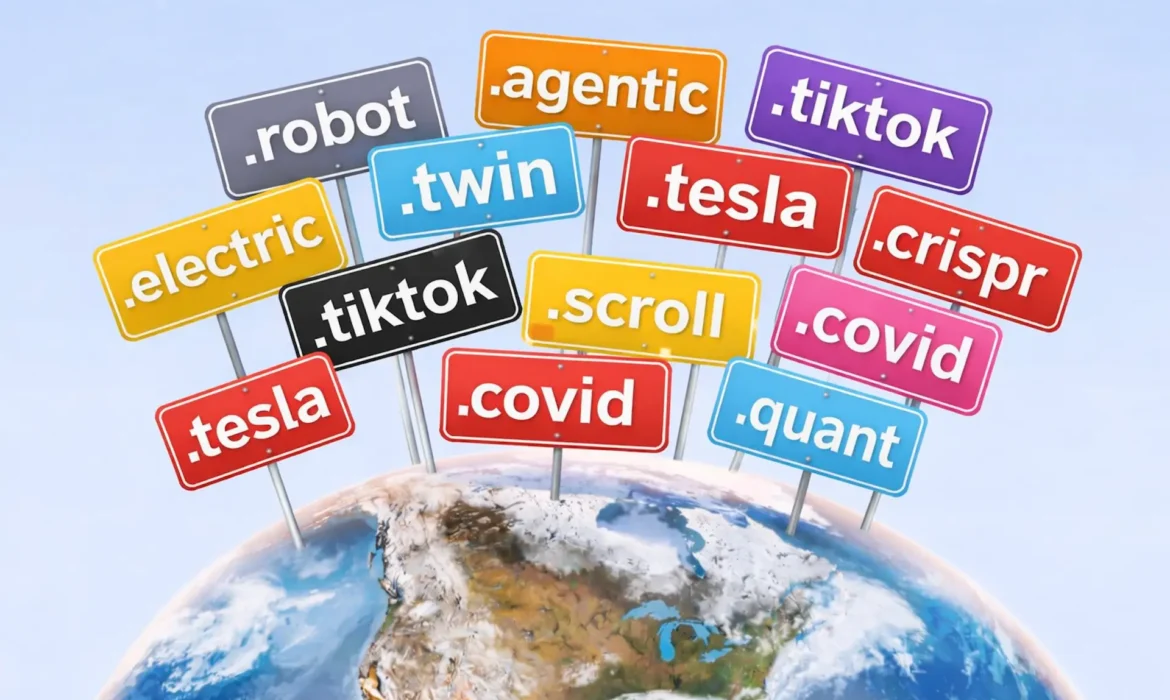
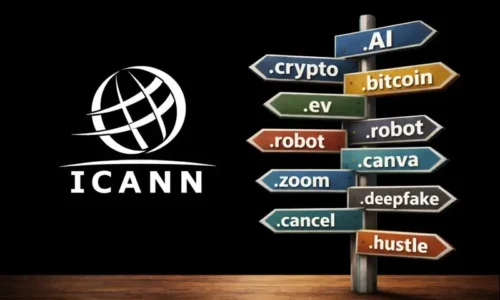
In December 2025, ICANN Confirmed the Next Round of the New Generic Top-Level Domains (gTLD) Program. An initiative led by the Internet Corporation for Assigned Names and Numbers (ICANN) aiming to expand the Internet’s Domain Name System (DNS) through the introduction of new top-level domains. gTLDs are the domain name suffixes that follow the “dot” in web addresses (for .robot, .sneakers, .crypto, .meta).
This next round represents the first major expansion in over a decade, enabling organisations, brands, and communities to operate their own unique domain name space.
What type of domain names can be applied for?
The New gTLD Program allows organisations to apply for several types of domain name spaces, specifically:
Brand gTLDs (for example, .canva, .tiktok, .tesla) operated exclusively by the trademark holder and are typically closed to public registration.
Generic gTLDs (for example .robot, .crypto, .cancel, .verified) may be open or restricted and are often aligned to industries or services, though open generics require strong governance to manage abuse risk.
Community and geographic gTLDs (for example .outback, .influencer, .hiphop) serve defined groups or regions and must demonstrate community support and enforce eligibility criteria.
The program also supports Internationalised Domain Name (IDN) gTLDs, enabling domain name spaces in non-Latin scripts to support linguistic and regional accessibility. Each category carries different operational and risk considerations, making early strategic assessment essential when selecting and governing a proposed domain name space
2. Key Dates
Phase
Timing
Applicant Support Program
Closed
TLD Analysis and Evaluation
Now
Application Window Opens
30 April to 12 August 2026
Evaluation Period
12 to 15 months from application close
ICANN Hosted Application Webinars
Applications will be accepted from 30 April to 12 August 2026. Applicants need to get all of their ducks in a row, including selecting a back-end registry provider and lining up financing.
To help interested applicants better understand the process, ICANN is hosting two webinars this month.
On 20 Jan 2026, ICANN will host anintroductory meetingfor those new to the domain industry and the new TLD program.
On 27 Jan 2026, ICANN will host amore advanced meetingthat will outline the entire application process and its stages.
3. Costs & Considerations
gTLD participation involves application, deployment, and ongoing operational costs. While application fees are fixed, long-term costs vary significantly based on the registry model, governance requirements, and abuse risk profile. Early planning and realistic budgeting are essential to ensure sustainability and value.
Application Costs
Description
Indicative Cost (USD)
Application Fee
ICANN fixed application fee, payable at submission
$227,500
Application Preparation
Legal advice, drafting, trademark and string analysis
$40,000 – $60,000
Registry Service Provider
RSP engagement, technical alignment, pre-evaluation support
Varies
Objections / Contention Reserve
Potential costs for dispute resolution or competing applications
Varies
Ongoing Costs
Description
Indicative Cost (USD)
ICANN Annual Fixed Fee
Ongoing registry fee payable to ICANN
$25,800 per year
Registry Service Provider (Ongoing)
Backend registry operations and infrastructure
$15,000 – 50,000 + per year
Compliance & Reporting
ICANN compliance, audits, and mandatory reporting
$10,000 – $40,000 per year
Abuse Monitoring & Enforcement
Monitoring, takedowns, and enforcement activity
Varies
4. Getting Prepared
Preparation for the New gTLD Program should begin well in advance of the application window. Organisations should first review the final Applicant Guidebook and supporting FAQ materials to understand the program requirements, evaluation criteria, and ongoing obligations associated with operating a gTLD. This provides the foundation for informed decision-making and helps avoid late-stage issues that can delay or complicate an application.
From there, applicants should assess the strategic case for a gTLD, considering brand value, customer trust, market expansion opportunities, and long-term risk exposure. Securing relevant intellectual property rights and trademarks for proposed strings is critical, as is early engagement with an accredited Registry Service Provider and registry services team. Finally, organisations should develop robust operational, technical, and business plans well ahead of the application window to ensure readiness, financial sustainability, and compliance once the gTLD is delegated.
5. Resources
Review the Final Applicant Guidebookand FAQ materials.new gTLD handbook
Review theCybersecurity guide to the new gTLD program
brandsec is a team of highly experienced domain name management and online brand protection experts. We provide corporate domain name management and brand enforcement services, helping brands eliminate phishing platforms across the internet. Supporting some of the largest brands in the region, we offer innovative solutions to combat threats across multiple industries.
Edward SeafordProduct & Enforcement Director
Ed brings over two decades of experience in domain management, brand protection, and phishing defence. At Brandsec and Unphish, he drives the technology and partnerships while leading with a people-first approach.