
New Instagram Phishing Scam Flying Under the Radar
A newly observed phishing campaign is targeting Instagram users, and it’s using a clever trick to bypass traditional scam filters. If you’ve received an email claiming there was suspicious activity on your Instagram account and urging you to reply, read on. This scam...

“Stop a Phishing Site Using Our Brand”
How to “Stop a Phishing Site Using our Brand”
If your brand’s been targeted and you’ve just found a phishing site using your name – this blog is for you…Phishing attacks are no...

Tricky Fake Crypto Apps on Google Play
Over 20 Fake Mobile Apps Are Phishing Crypto Wallet Users
A recent investigation by Cyble Research and Intelligence Labs (CRIL) uncovered more than 20 malicious Android applications on the Google Play...

Hidden in Plain Sight: 6 Ways Phishing Sites Avoid Detection
Hidden in Plain Sight: 6 Ways Phishing Sites Avoid Detection
Phishing websites have become far more sophisticated than the basic spoof pages we saw a few years ago. As security experts improve detection...

Registrar Hacking and why Registry Lock is so Important
Registrar hacking isn’t theoretical—it happens more often than most people realise. There are 2,800 ICANN Accredited Registrars, and the top ten retail Registrars (that manage over 250M domains) are targeted regularly – in most cases Registrars do a great job defending...

Why Domain Registrars Are Key to Stopping Fast Flux Phishing
A recent Dark Reading article highlighted the continued growth of fast flux phishing, an old tactic that’s been on the radar of enforcement professionals for years. Maybe a forgotten scam for many, those of us working in the phishing takedowns and cyber enforcement space are...
Phishing Site Takedown: What to Do When Registrars Ignore Your Complaint
Phishing Site Takedowns: How to Escalate When Registrars Ignore Abuse
Few things are more frustrating in cybersecurity than a domain registrar ignoring a clear case of DNS abuse. Whether it’s a phishing...
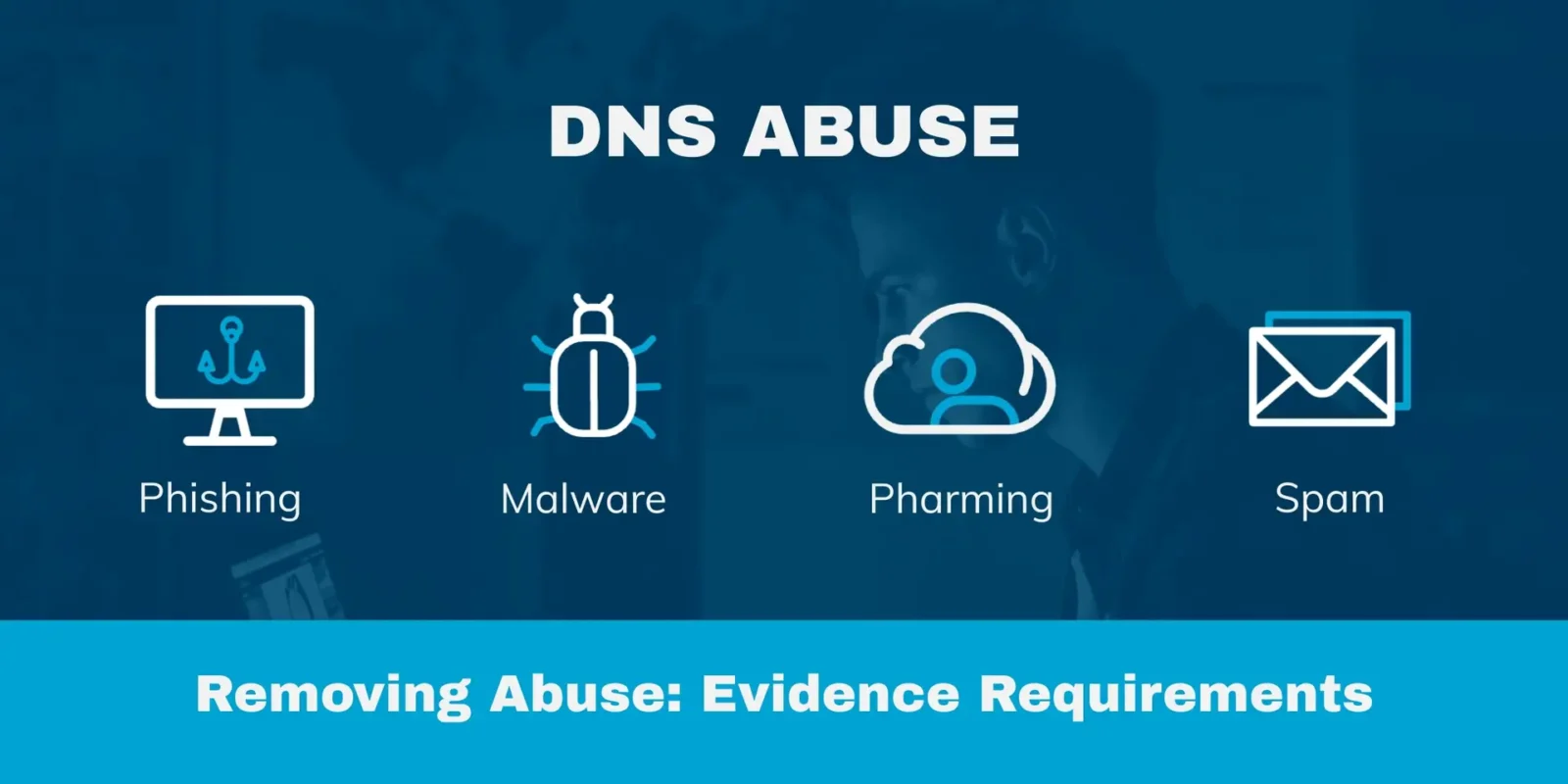
DNS Abuse vs. Content Abuse: Where Registrars Draw the Line
The rise of fake websites used in phishing attacks has prompted a closer examination of how domain name abuse is handled. One of the biggest challenges in enforcement is distinguishing between DNS abuse—where the domain system itself is weaponized—and content abuse, which...
Cheap Domains, Costly Threats: How Cybercriminals Exploit Bulk Registrations
Bulk Domain Registrations: How Criminals Exploit Cheap Domains
How Cybercriminals Exploit Cheap Bulk Registrations
The retail domain name...

Crypto Brand Protection: Address Poisoning
The crypto market has surged in 2024, with trading volumes reaching $141.04 trillion. Unfortunately, scams have kept pace, and “address poisoning” has emerged as a highly effective tactic targeting both new and seasoned traders. This blog breaks down what address...

DNS Abuse: Phishing Evidence Submission
The Domain Name System (DNS) is designed to connect to users and services effortlessly. However, this system is exploited by bad actors for malicious purposes, generally known as DNS Abuse. Understanding what constitutes DNS Abuse, specifically phishing, and knowing how to...